




How Hard Is Learning German? A Realistic, Honest Guide for Learners
“How hard is learning German?” is usually not a neutral question. Most people ask it because they are unsure whether starting is worth the effort. They have heard stories about impossible grammar, terrifyingly long words, and strict rules that leave no room for mistakes. Often, they are already half convinced that German might simply be “too hard.”
That belief stops a lot of people before they even begin.
The reality is more nuanced. German is not an easy language in the sense that you can learn it casually with no structure or effort. At the same time, it is far more logical, predictable, and learnable than its reputation suggests. For many learners, especially those coming from English, German turns out to be challenging at first and surprisingly manageable once the foundations are in place.
This article gives a realistic answer to how hard German actually is, what makes it feel difficult, what makes it easier than expected, and how long it typically takes to reach different levels of confidence.

TL;DR: How Hard Is Learning German?
Learning German is challenging but very achievable for most people who approach it consistently.
- How hard is learning German for beginners?
The beginning feels hardest because German introduces new grammar concepts early. Once these basics are understood, progress becomes more stable. - How long does it take to learn German?
With regular practice, basic conversation often takes 4 to 6 months, independent speaking 8 to 12 months, and confident professional use 18 to 24 months. - Is German a hard language to learn compared to English?
German has more grammar rules than English, but it is also more logical and consistent. - Is German easy to learn?
It is not easy, but it is very learnable with regular speaking practice. - What usually makes German hard?
Waiting too long to speak, aiming for perfection too early, and expecting German to work like English.
Bottom line: German becomes hard only when learners avoid using it.
Is German a Hard Language to Learn or Just Famous for Being Hard?
German’s reputation often comes before any real experience with the language. People hear that German is strict, harsh, or unforgiving and assume this must reflect deep complexity. In reality, much of this reputation comes from how German sounds to unfamiliar ears.
German does not try to sound soft or melodic. It prioritizes clarity over flow. This can feel abrupt at first, especially for learners used to Romance languages. But sounding direct does not mean being complex. In fact, it often means the opposite.
German tends to say exactly what it means. It does not rely heavily on implication or ambiguity. Once learners understand this, the language often feels less mysterious and more transparent.
When you compare German to languages that people successfully learn every year, its reputation quickly loses force. Many languages require learners to master new writing systems, learn tonal pronunciation, or deal with far more irregular grammar. German does not demand these things.
German is not uniquely difficult. It is simply structured.
How Hard Is Learning German for Beginners in Real Life?
For beginners, German usually feels hardest in the first few months. This is because German introduces important concepts early instead of hiding them.
From the beginning, learners are exposed to:
- grammatical gender
- changing articles
- verb position rules
- sentence structures that differ from English
This can feel overwhelming at first. Many beginners report that they understand vocabulary but struggle to form sentences that feel natural. This is normal and expected.
What often surprises learners is that German becomes easier after this phase. Once you understand the basic structure, German does not constantly reinvent itself. The same rules keep appearing, which reduces confusion over time.
Beginners who accept the early difficulty and push through it often find that later stages feel more predictable than expected.
German Pronunciation: A Hidden Advantage
German pronunciation is often assumed to be difficult, but in practice it is one of the language’s strengths.
German is largely phonetic. This means that once you learn how letters and combinations are pronounced, you can reliably say new words out loud without guessing.
For example:
- Bruder (brother) is pronounced almost exactly as it looks
- Haus sounds very close to the English word house
- Wasser (water) has a clear W and S sound, not softened or swallowed
Compare this to languages where spelling gives little help with pronunciation. In German, what you see is usually what you get.
For English speakers, this is especially helpful. Most German sounds already exist in English, and pronunciation rules are consistent. Many learners find that pronunciation becomes comfortable relatively quickly.
German Grammar: Why It Feels Hard at First
German grammar is the part most learners worry about, and this concern is understandable. German has grammatical cases, gendered nouns, and clear rules about verb placement.
These features are unfamiliar to many learners, especially those coming from English. However, they are not arbitrary.
Take grammatical cases. German articles change depending on the role a noun plays in a sentence:
- Der Mann sieht den Hund
The man sees the dog
- Der Hund sieht den Mann
The dog sees the man
Even if the word order changes, the articles show who is doing what. This allows German to be flexible without becoming confusing. (Don't worry if this is not clear - that is what teachers are for!)
Verb placement follows similarly clear rules. In a basic sentence, the verb usually comes second:
- Ich lerne Deutsch
If you add more information, the verb still follows predictable patterns:
- Heute lerne ich Deutsch
- Ich lerne heute Deutsch
These rules feel unnatural at first, but they are consistent. German grammar rarely asks learners to guess.

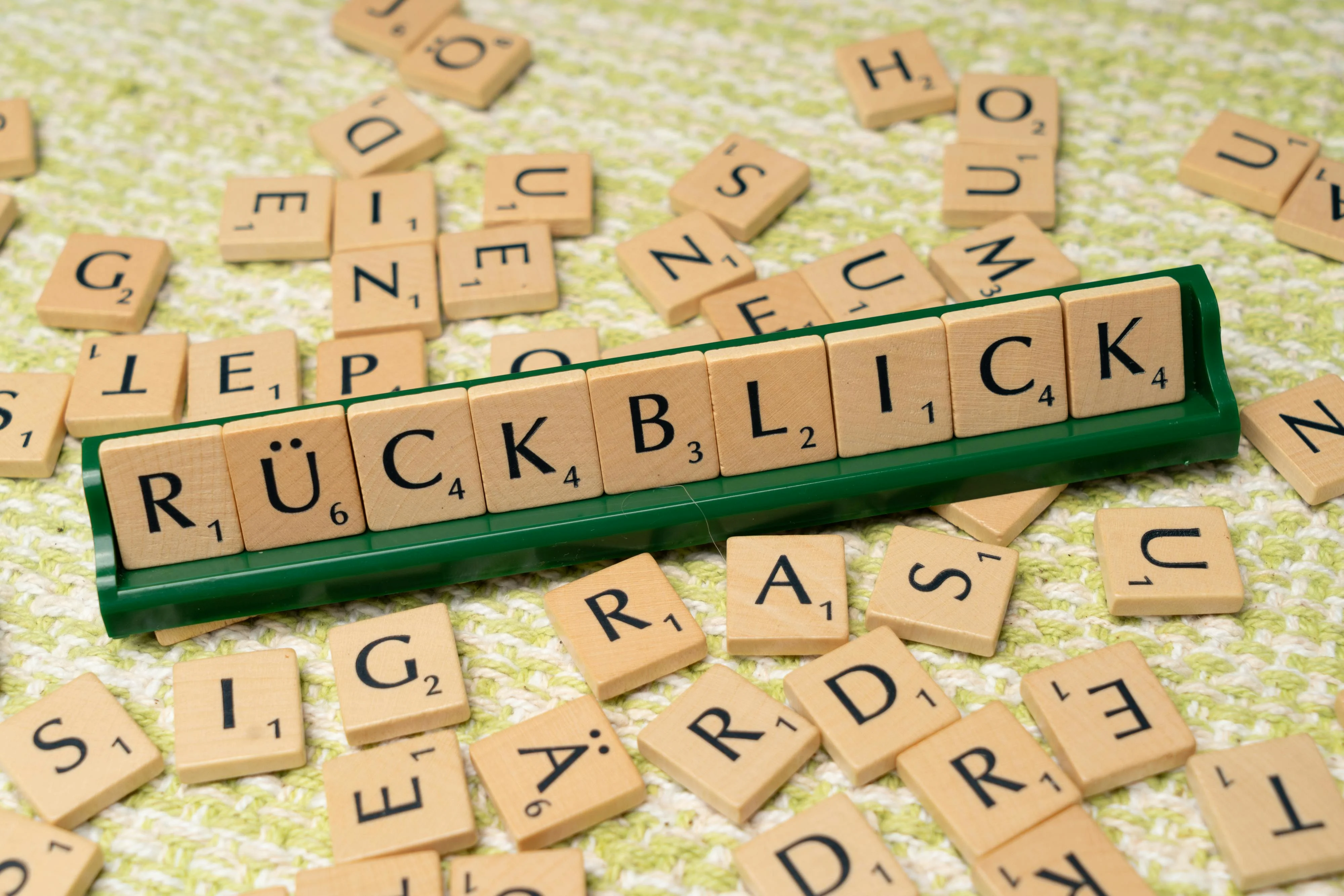
Why Long German Words Are Easier Than They Look
Long German words often intimidate beginners, but they are actually one of the more transparent parts of the language.
German simply combines smaller words instead of spacing them out.
For example:
- Arbeit means work
- Unfaehigkeit means inability
- Bescheinigung means certificate
Put together:
- Arbeitsunfaehigkeitsbescheinigung
Literally work-inability-certificate, meaning a sick note from a doctor.
Once learners understand this system, long words stop being frightening. They become descriptive and often easier to understand than vague single-word equivalents in other languages.
How Hard Is Learning German Compared to English?
English is grammatically simpler than German. Articles do not change, verb conjugation is minimal, and sentence structure is relatively fixed.
However, English speakers have a significant advantage when learning German. The two languages are closely related and share a large amount of vocabulary and structure.
Many German words feel immediately familiar:
- Mutter and mother
- Freund and friend
- Wasser and water
Sentence logic often overlaps as well. This shared linguistic history makes German far easier for English speakers than languages outside the Germanic family.
So while German has more grammar rules than English, it is also more predictable.
How Long Does It Take to Learn German?
“How long does it take to learn German?” depends heavily on what you want to do with the language.
With consistent practice, realistic timelines look like this:
- Basic everyday conversation (A2): 4 to 6 months
- Independent speaking in social situations (B1): 8 to 12 months
- Confident professional communication (B2): 18 to 24 months
These estimates assume regular exposure and active use. Learners who speak frequently, even imperfectly, progress far faster than those who only study passively.
Learning German is not about rushing. It is about steady, consistent engagement.
What Is the 80/20 Rule in German?
The 80/20 rule in German means that a relatively small portion of the language allows you to function in most real-life situations.
You do not need perfect grammar or advanced vocabulary to communicate effectively. A core set of verbs, sentence structures, and everyday expressions will carry you through the majority of conversations.
Learners who focus on this core and use it actively often speak sooner and with more confidence than those who aim for perfection before speaking.
German improves through use, not preparation.
How Hard Is It to Learn German by Myself?
It is possible to learn German by yourself, especially in the early stages. Many learners successfully build vocabulary and reading skills through self-study.
However, speaking is where most self-learners struggle. Without regular conversation and feedback, learners often understand far more than they can say.
Speaking German is a skill that must be practiced. Reading about German and understanding German are not the same as speaking it.
If your goal is learning how to speak German, interaction with real people is essential.

Is German Hard to Learn for Spanish Speakers?
Spanish speakers often find German challenging at first, especially due to cases and sentence structure. However, they are already familiar with grammatical gender and consistent pronunciation.
Once Spanish speakers adjust to German sentence logic, progress often becomes steady. With regular speaking practice, German is very achievable.
If you happen to also be learning Spanish, check out our Spanish conversation topics.
Is German Hard to Learn for Russian Speakers?
Russian speakers often adapt well to German grammar because they already understand case systems and flexible word order. Articles and pronunciation still require practice, but the underlying structure feels familiar.
For many Russian speakers, German feels demanding but logical rather than chaotic.
Why German Often Feels Harder Than It Actually Is
German often feels harder than it really is because learners:
- delay speaking until they feel ready
- focus too much on grammar perfection
- compare themselves to native speakers
- expect German to behave like English
None of these help. German becomes easier through use, not avoidance.
Final Verdict: Is German Really a Hard Language to Learn?
German is challenging, but it is not cruel. It requires effort, attention, and patience, but it also rewards learners with clarity and structure.
Millions of people from all over the world learn German every year, often starting from zero. They succeed not because German is easy, but because they use it early and often.
The real difficulty of German is not the language itself. It is waiting until you feel ready to speak.
Have we convinced you learning German is totally doable? Allow us to help you with your spoken German with our conversation classes. Your spoken German skills is incredibly important. Join one of our daily speaking classes and finally become confident.


.png)

.png)